
When it comes to skincare, many people face a tough choice: should they invest in individualized prescription skin care products or stick with popular over-the-counter (OTC) brands like ZO, Plated, or Skin Science? Both options promise clearer skin, fewer fine lines, improved firmness, and better tone, but the differences go far beyond marketing claims. Understanding how these products work and what makes them effective can help you decide which path suits your skin best.
Close-up view of customized prescription skincare bottles arranged on a white surface
Customized prescription skincare products tailored to individual skin needs
How Prescription Skin Care Products Work
Prescription skin care products are formulated with medical grade skincare ingredients that are stronger and more targeted than typical OTC options. These products contain prescription-strength active ingredients, such as tretinoin for acne and aging, hydroquinone for hyperpigmentation, or metronidazole for rosacea. The concentration of these ingredients is carefully adjusted to balance efficacy with skin tolerance.
A key advantage of prescription skincare is customization. Dermatologists or skincare professionals tailor formulations to your unique skin biology, considering factors like:
- Hormonal influences
- Genetic predispositions
- Inflammation levels
- Lifestyle habits
- Environmental exposures
This personalized approach allows for precise targeting of stubborn or complex concerns such as persistent acne, uneven texture, or rosacea flare-ups. Medical oversight ensures ongoing adjustments to your regimen, improving results while minimizing irritation.
Prescription products are also designed to work alongside in-office treatments like chemical peels or laser therapy. This synergy enhances overall skin improvement and supports long-term maintenance.
How Over-the-Counter Medical-Grade Brands Differ
Many OTC brands market themselves as medical grade skincare, but their formulations have limitations. These products usually come in fixed concentrations and are designed for broad consumer use. This means:
- One-size-fits-most formulations
- Limited ability to adjust ingredient strength
- Lack of customization to individual skin needs
For example, a popular OTC retinol serum may contain a standard 0.5% concentration, which might be too strong for sensitive skin or too weak for severe acne. Without medical guidance, users may experience irritation or see limited improvement.
OTC products are convenient and often more affordable, making them a good starting point for mild concerns or maintenance. However, they may not deliver the same level of targeted results as customized prescription options.
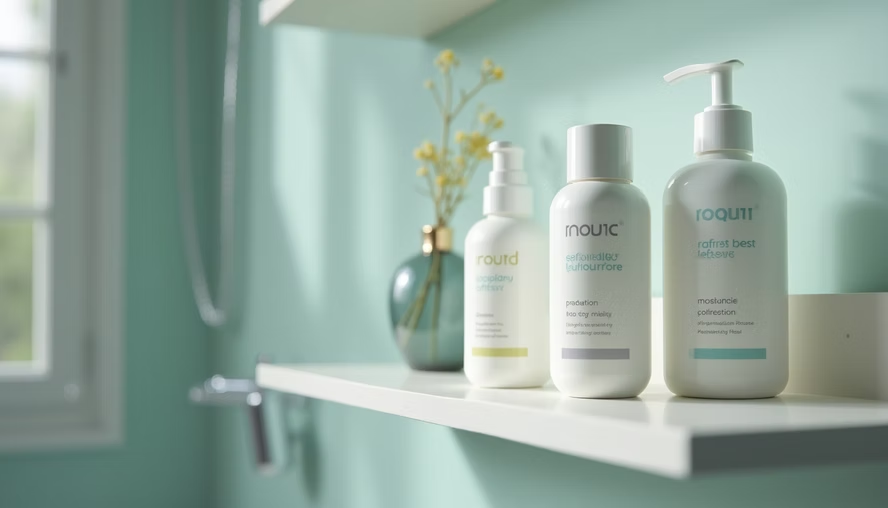
Eye-level view of various over-the-counter skincare products displayed on a bathroom shelf
Why Customization Matters in Skincare
Skin is a living organ influenced by many factors. Hormones can trigger acne or redness, genetics affect collagen production and pigmentation, and lifestyle choices like diet and sun exposure impact overall skin health. Because of this complexity, a personalized skincare plan is often more effective.
Customization allows for:
- Optimizing ingredient combinations for your skin type
- Adjusting concentrations to reduce irritation
- Targeting multiple concerns simultaneously (e.g., fine lines and hyperpigmentation)
- Adapting to changes in skin condition over time
For example, someone with rosacea and aging concerns might need a gentle anti-inflammatory prescription product combined with a retinoid at a low concentration. An OTC product might not address both issues effectively or could worsen sensitivity.
Medical oversight also means your skincare evolves with your skin. If irritation occurs, your provider can adjust the formula or recommend complementary treatments. This dynamic approach supports healthier, more resilient skin.
How to Choose the Right Option for Your Skin
To decide between customized prescription skin care and OTC medical-grade products, consider these steps:
-
Assess your skin concerns
Mild dryness or occasional breakouts may respond well to OTC products. Persistent acne, uneven tone, or rosacea often require prescription-strength solutions.
-
Evaluate your skin sensitivity
If you have sensitive or reactive skin, a customized approach can reduce the risk of irritation.
-
Consider your budget and commitment
Prescription skincare usually involves visits to a dermatologist and higher costs but offers tailored results. OTC products are more affordable and accessible but may require trial and error.
-
Think about long-term goals
Customized skincare supports ongoing skin health and works with professional treatments. OTC products may be better for short-term or maintenance use.
-
Consult a skincare professional
A dermatologist or licensed provider can evaluate your skin and recommend the best path, whether that’s a prescription regimen or suitable OTC options.

Final Thoughts on Skincare Choices
Choosing between customized prescription skin care and over-the-counter products depends on your skin’s unique needs and goals. Prescription products offer targeted, adjustable formulations backed by medical oversight, ideal for complex or stubborn concerns. OTC medical-grade brands provide convenience and affordability but lack personalization and flexibility.
For those serious about improving acne, fine lines, firmness, tone, hyperpigmentation, aging, rosacea, or texture, a customized approach often delivers stronger, safer results. Start by consulting a skincare professional to explore options tailored to your skin biology. This investment in personalized care can lead to healthier, more radiant skin over time.